Southeast Europe possesses significant comparative advantages that can serve as powerful drivers of sustainable development — and the Mediterranean Diet provides a unique and timely vehicle for unlocking this potential.
Beyond geopolitical and institutional dimensions, Euro-Mediterranean cooperation is also expressed through one of the most everyday yet deeply political spheres: food production, cuisine, landscape and lifestyle.
The region hosts Europe’s highest levels of biodiversity, forming an impressive natural mosaic of transboundary rivers, lakes, mountain ranges, forests, fertile plains and characteristic Balkan plateaus. It also includes the longest coastline and the largest island complex in the Mediterranean.
At the same time, Southeast Europe is home to 72 natural and cultural sites listed as UNESCO World Heritage, as well as 44 elements of Intangible Cultural Heritage. Beyond those already officially recognised, the region’s unexploited landscapes and rich cultural heritage represent substantial — yet underutilised — resources for sustainable tourism and local development.
The region is also crossed by certified Cultural Routes of the Council of Europe, such as the Olive Tree Route, the Wine Routes and the Traditional Cafés Route, reinforcing its identity as a cradle of Mediterranean culture and gastronomy.
More than 20% of the total area of Southeast Europe is designated as protected, through the Natura 2000 network, Ramsar wetlands and internationally significant Marine Protected Areas.
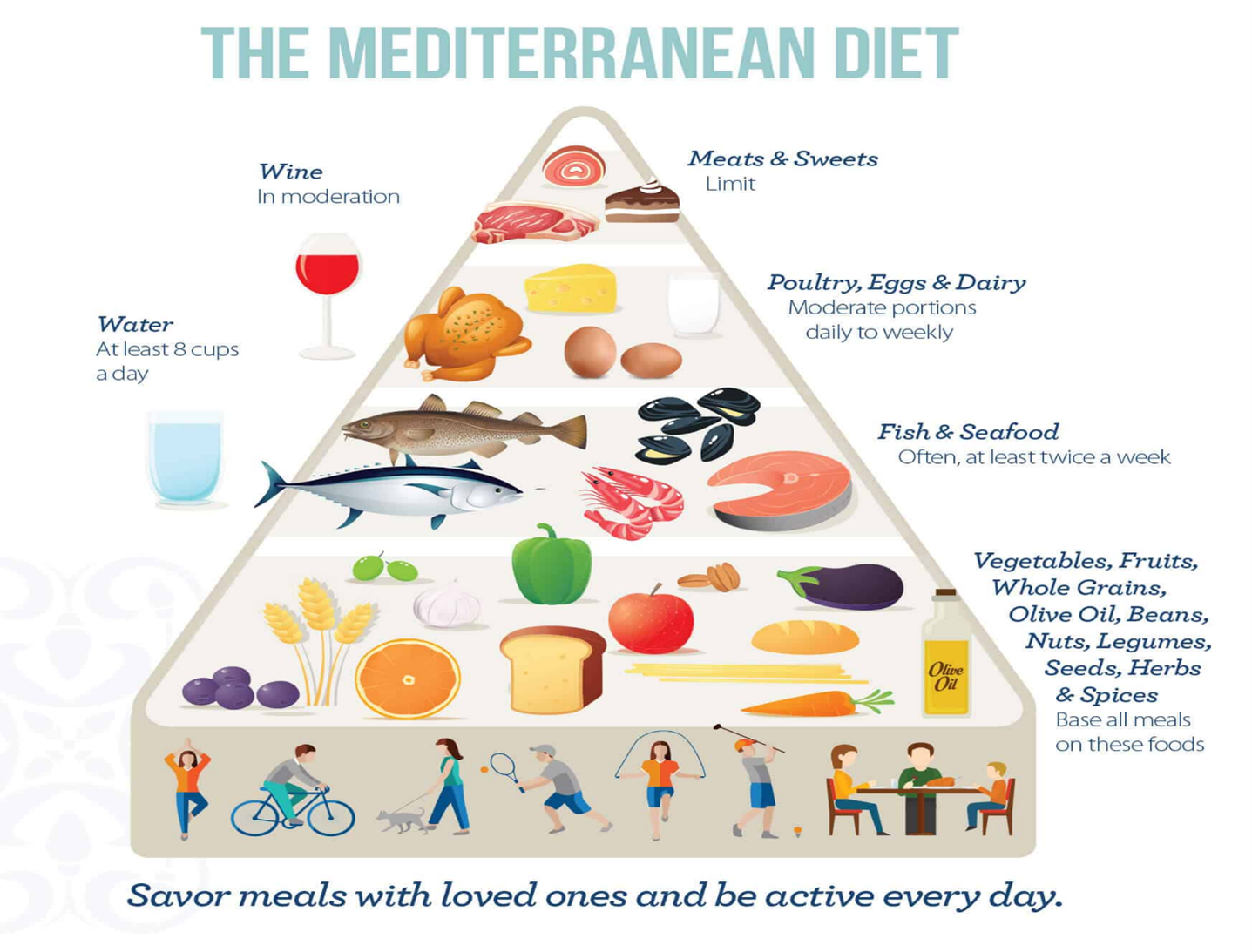
At the same time, over 550 traditional products and foods from Southeast European countries are registered as PDO and PGI. Organic farming, quality production and strong territorial identity constitute core elements of the Mediterranean Diet — which was recognised as Intangible Cultural Heritage of Humanity by UNESCO (2010) and by FAO (2012) following a documented joint proposal by Greece, Italy, Cyprus, Croatia and Morocco.
When these products circulate and are traded on international markets, they carry with them not only distinctive flavours, but also the culture, traditions, values and lifestyle of local communities — a way of life grounded in respect for nature, social cohesion and territorial identity.
From Comparative to Competitive Advantages:
A Pathway to Sustainable Development
According to European studies on the competitiveness of regions and national economies, the strategic objective is to transform comparative advantages into competitive ones, in order to strengthen sustainable economic, environmental, cultural and social development.
For Southeast Europe — and in particular the Adriatic–Ionian and Southeast Mediterranean areas — this approach offers a realistic and sustainable response to critical challenges such as:
- persistent trade deficits,
- rural depopulation,
- and the outflow of young scientists and professionals towards Central and Northern Europe.
The solution lies in building strong linkages between:
- high-quality agri-food production,
- processing and innovation,
- agri-tourism,
- eco-tourism,
- cultural tourism,
- and outward-looking food and tourism sectors.
Empowering Local Actors and European Networks
Agricultural cooperatives, agri-food clusters and partnerships, producer groups, SME business networks, research centres, as well as local and regional authorities — together with their European networks — can act as key drivers of this transition.
It is essential that local and regional actors actively participate in shaping European policies and funding programmes in the post-2027 period, including:
Cohesion Policy, CAP, Horizon Europe, LIFE, COSME and related instruments.
Key Objectives of the Revised EUSAIR (Action Plan 2025–2030)
The revised EUSAIR- Adriatic and Ionian Action Plan explicitly recognises the Mediterranean Diet as a catalyst for regional development. Its main objectives include:
- Promotion of the Mediterranean Diet as a model for sustainable food systems, fully aligned with:
- the European Green Deal,
- the “Farm to Fork” Strategy.
The Mediterranean Diet integrates principles of organic production, precision agriculture, biodiversity protection, healthy and sustainable gastronomy, agri-tourism, fishing tourism, eco-tourism and cultural tourism.
- Strengthening the value of Geographical Indications (PDO/PGI) as a key driver of:
- rural development,
- diversification of local economies,
- reinforcement of regional identity.
- Promotion of organic farming and sustainable cultivation practices, aiming at:
- biodiversity conservation,
- ecosystem health,
- development of eco-districts,
- strengthening the authenticity of sustainable tourism.
- Enhancing cooperation and skills development, through cross-sectoral actions between:
tourism – gastronomy – maritime activities – agri-food systems. - Synergies with Euro-MED programmes and flagship initiatives such as Mediterranean Diet Go!, building upon the outcomes of the MD.net Project.
A New Macro-Regional Strategic Flagship for the Mediterranean Diet within EUSAIR
The implementation of Pillar 4 – Sustainable Tourism of the revised EUSAIR (2025) includes the creation of a new cross-pillar Strategic Flagship Project on the Mediterranean Diet.
This initiative was officially proposed at the 10th EUSAIR Forum in Crete (May 2025) and endorsed at the meeting of 114 stakeholders from Southeast Europe held at the Mediterranean Agronomic Institute of Bari in October 2025.
The new Flagship will:
- coordinate actions,
- develop new policy approaches,
- mobilise European resources,
- produce a Mediterranean Diet Guide and foster synergies and partnerships,
- capitalise on good practices and promote sustainable tourism — avoiding uncontrolled mass tourism, while taking into account the environmental and social carrying capacity of destinations and local communities,
- strengthen the economic, environmental, cultural and social sustainability of the region.
In this way, Southeast Europe and the EUSAIR macro-region can evolve into model territories of sustainable, innovative and inclusive development, leveraging their natural, productive and cultural assets through the globally recognised framework of the Mediterranean Diet.